 Patterns
How to finish seams without a serger: 8 neat methods
How to finish seams without a serger: zigzag, overcast, pinked, turned and stitched, French, flat-felled, bound and hand overcast, with settings for each.
Step-by-step help with the techniques behind our patterns, in clear, illustrated steps. Start with printing, then pick the technique your pattern needs.
How to finish seams without a serger: zigzag, overcast, pinked, turned and stitched, French, flat-felled, bound and hand overcast, with settings for each.
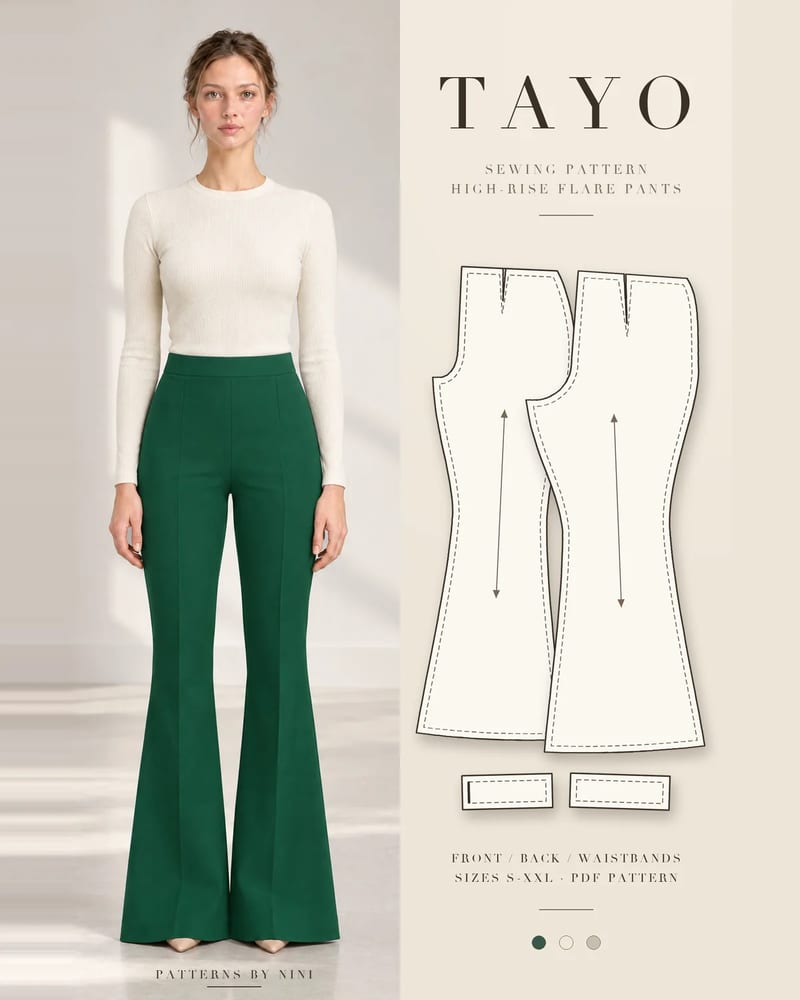
How to sew bell bottom pants step by step: pick a flare pattern or add flare to one you own, then fit the knee, sew the legs and hem the wide flare neatly.
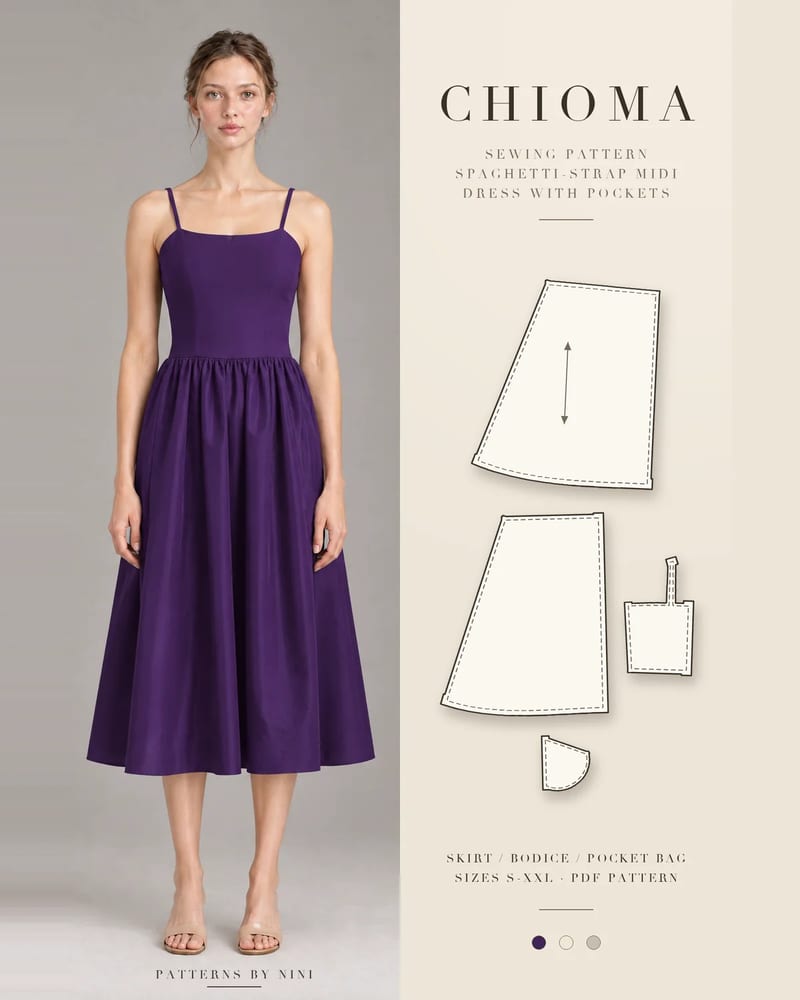
How to sew a strap on a dress step by step: make spaghetti or wide straps, set them into a lined bodice, fit the length and reattach a strap that came loose.
How to sew pockets into pants step by step: slanted front pockets, side seam pockets you can add to any pattern, and back patch pockets, with measurements.
How to hem jacket sleeves step by step: set the length, turn and stitch an unlined hem, reattach a lining with ease, and deal with vents and cuff buttons.
How to sew an elastic waistband three ways: a fold-over casing, a separate band and elastic sewn straight on. Plus elastic length, type and fixes.
How to hem a T-shirt so it stays flat and stretchy: mark the length, stabilize the knit, then sew with a twin needle, zigzag, coverstitch or by hand.
How to sew a collar that sits crisp: interface the upper collar, trim the under collar, turn sharp points and attach it with a stand, facing or binding.
How to sew a puff sleeve: gather the cap with basting, set it into the armhole, then finish the hem with an elastic casing, a band or a ruched seam.
How to sew a jacket from a pattern: choose fabric, interface the fronts, work in the right order, add pockets and a zipper, then line it or bind the seams.
How to sew sleeves without puckers: ease the sleeve cap, match the notches, sew set-in and flat sleeves, then finish and press the armhole seam.
How to sew pleats that stay even: mark, fold, press and baste knife, box and inverted pleats, work out the extra fabric and fix common problems.
How to sew a buttonhole that fits: sizing it to the button, interfacing, one-step and four-step machine buttonholes, cutting it open and hand stitching.
How to hem jeans with original hem: fold up half the length to remove, stitch beside the factory topstitching with a zipper foot, trim and press down.
How to make bias tape from your own fabric: cut and join bias strips or sew continuous bias, then fold single or double fold, with or without a maker.
How to hem a dress at home: mark the length on the body, pick the hem depth for a straight, flared or bias-cut skirt, then press and stitch by machine or hand.
How to sew a zipper in a skirt, dress or jacket: choose the right type and length, then sew a centered, lapped or exposed separating zipper step by step.
Bias binding sewing step by step: prepare the edge, sew a two-pass, French or topstitched binding, and handle curves, corners, zippers and joins.
How to hem jeans at home: mark the length, cut a 1 1/8 in allowance, press a double fold and topstitch over the thick seams with a denim needle.
What bias tape is, single fold vs double fold sizes, how much you need and how to sew it to necklines, armholes and seams for a neat, flat finish.
How to sew a hem in pants that hangs straight: measure the length, choose a hem allowance, press, and blind hem by machine or by hand, plus tapered legs.
How to sew a button by hand so it stays on: thread, a thread shank, 2-hole, 4-hole and shank buttons, stay buttons for coats and a neat finish.
The 8 hand sewing stitches every garment sewist needs, from running and backstitch to slip, catch and blind hem stitch, with spacing, needles and fixes.
How to sew a flat felled seam: stitch, trim one allowance, fold the other over it and topstitch. Measurements, curves, the mock version and fixes.
How to sew a facing step by step: interface, attach, grade, clip and understitch a neckline or armhole facing so it lies flat and never rolls to the outside.
Burrito method sewing explained: roll, stitch and turn a lined yoke or a sleeveless bodice facing so every raw edge is enclosed, plus fixes for common snags.
How to sew a French seam: stitch wrong sides together, trim, fold and stitch again to enclose the raw edges. Measurements for every common seam allowance.
How to sew darts step by step: mark the legs, stitch from the wide end, taper off at the point without backstitching, then press over a ham for a smooth shape.
How to sew an invisible zipper: press the coils, stitch each side with an invisible zipper foot, match cross seams, then close the seam below it neatly.
A sewing projector shows PDF patterns at full size on your fabric. How to choose one, mount it, calibrate with a grid mat and cut without printing or taping.
Pattern paper for sewing compared: tracing paper, Swedish tracing paper, exam table paper, kraft and oak tag, plus how to trace a multi-size pattern cleanly.
Print a PDF sewing pattern at a copy shop (36 × 48 in or A0) or at home on Letter or A4, set the scale to 100% and check the test square before cutting.
Clear, tested instructions for the techniques our patterns use, from inserting an invisible zipper to finishing seams so the inside looks as good as the outside.
Everything between buying a PDF pattern and cutting your fabric: printing at the right scale, copy shop and home files, projectors and tracing.
What to buy before you sew: which fabrics suit which garments, how much to buy, and the interfacing, zippers and thread that make a finish last.
Choosing the right size and adjusting a pattern so it fits your body, not a standard block.
Where to start if you are new to sewing clothes: tools, first projects and how to read a sewing pattern.
May we use Pinterest cookies to measure visits and purchases and improve our advertising? You can shop either way and change your choice in Cookie settings. Privacy policy